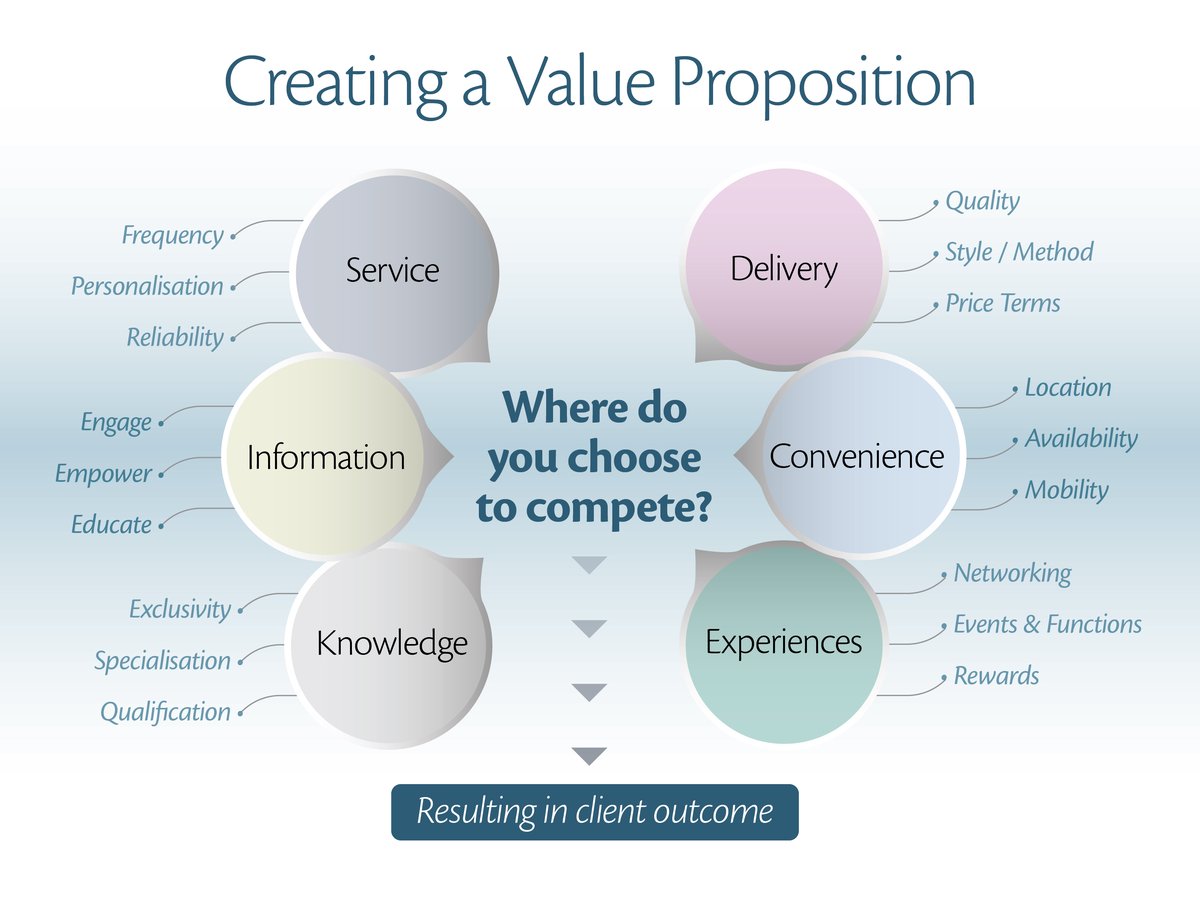
In today's hyper-competitive marketplace, simply having a great product or service isn't enough. You could have invented the next big thing, but if your customers don't perceive its value as outweighing its cost, you're fighting an uphill battle. This is where the strategic powerhouse of Cost Analysis & Value Proposition comes into play—it's the critical exercise that ensures your pricing isn't just about covering expenses, but about aligning precisely with what your customers are willing to pay for the benefits you deliver.
It's the difference between guessing your way to market and confidently commanding a price point that resonates, attracts, and retains customers, all while fueling your growth.
At a Glance: Understanding Cost Analysis & Value Proposition
- It's the "Why Buy?" for Customers: This framework helps you clearly show customers why your product or service is worth its price.
- Balances Cost and Benefit: It’s about finding the sweet spot where your internal costs meet your customer's perceived value.
- Drives Strategic Decisions: Influences everything from product development and pricing to marketing and sales.
- Builds Trust & Loyalty: When customers feel they're getting true value, they stick around.
- Requires Deep Understanding: You need to know your costs inside out and truly understand your customer's needs and pain points.
- Not Just for Cutting Costs: While cost optimization is key, the ultimate goal is to deliver value that customers appreciate and pay for.
The Heart of the Matter: Why Cost Analysis & Value Proposition Isn't Optional
Think of it this way: every purchase decision a customer makes involves a mental trade-off. They're weighing what they give up (money, time, effort) against what they gain (a solution, a feeling, a benefit). Your job is to make that "gain" side of the equation so compelling that the "give up" side feels entirely justified—even exciting. This is the essence of a strong Cost Value Proposition Analysis (CVPA) or Cost Value Proposition (CVP).
This isn't just a fancy business term; it's a strategic imperative. A well-executed CVP ensures you're not just selling features, but solving genuine problems and delivering tangible benefits from the customer's perspective. It's about finding that optimal intersection where your internal costs and operational efficiencies translate into a perceived value that makes your offering irresistible.
The Dividends of a Clear Value Proposition
When you nail your CVP, the ripple effects are profound, touching every facet of your business:
- Customer Magnets: You attract and retain the right customers by clearly differentiating your offering from competitors.
- Trust & Loyalty Builders: Customers develop faith in your brand when they consistently feel they're getting a good deal—value that exceeds their expectations.
- Revenue & Profitability Boosters: Optimized pricing and increased sales volume naturally lead to healthier bottom lines.
- Efficiency Drivers: By focusing on what truly adds value, you can reduce unnecessary costs and improve margins.
- Innovation Catalysts: A deep understanding of value propels you to innovate in ways that genuinely matter to customers, creating a sustainable competitive edge.
- Team Harmonizers: Everyone, from product developers to sales teams, aligns around a shared understanding of what makes your offering special.
Deconstructing Value: More Than Just a Price Tag
Before you can articulate your value, you must first understand what "value" truly means to your customer. It's not a universal constant; it's a dynamic, subjective perception.
- Perceived Value vs. Actual Value: This is a crucial distinction. Actual value is objective—the nuts and bolts, the functionality, the utility of your product. Perceived value, however, is subjective. It's shaped by a customer's individual needs, expectations, and alternatives. A luxury watch might have the same actual time-telling utility as a cheap one, but its perceived value (status, craftsmanship, heritage) is vastly different.
- The Value Proposition Itself: This is your crystal-clear statement. It explains precisely how your product solves a problem, delivers specific benefits, and why a customer should choose you over anyone else.
- Cost-Benefit Analysis: A fundamental tool for dissecting value. It systematically estimates the strengths and weaknesses of different approaches to find the one that maximizes benefits while minimizing costs. It’s like creating a mental ledger for every decision.
- Value Chain Analysis: Think of your business as a series of steps, from raw materials to the final product in a customer's hand. Value chain analysis examines each step to pinpoint where value is added, or unfortunately, lost. This can reveal hidden inefficiencies or opportunities for differentiation.
- Customer Segmentation: Not all customers are created equal, nor do they perceive value in the same way. Tailoring your value proposition to different market segments—say, a small business owner versus a large enterprise—is essential because their needs, goals, and pain points will vary significantly.
- Competitive Advantage: What makes you stand out? Unique features, superior service, or a lower price point all contribute to your competitive advantage and inherently increase your perceived value.
- Pricing Strategy: Your price isn't just a number; it's a powerful statement about your value. Different pricing strategies—from premium to penetration pricing—are chosen to reflect and communicate that value effectively.
- Marketing and Communication: You can have the most valuable product in the world, but if you can't communicate that value effectively, it won't matter. How you tell your story, what benefits you highlight, and the channels you use all profoundly impact customer perception.
- Innovation and Improvement: Value isn't static. Continuous innovation and improvement—whether adding new features or refining existing ones—are critical for sustaining value and maintaining a competitive edge.
- Feedback and Adaptation: The market is a living, breathing entity. Staying relevant and valuable means constantly listening to customer feedback, analyzing market shifts, and adapting your offerings accordingly.
The Four-Step Blueprint for a Powerful Value Proposition
Building a truly effective CVP isn't a shot in the dark; it follows a clear, methodical framework.
1. Identify Your Customer Segments
Before you can offer value, you need to know who you're offering it to. This means going beyond demographics and diving deep into psychographics. What are their goals? What keeps them up at night? What are their biggest frustrations or "pain points"?
- Actionable Step: Create detailed customer personas. For instance, if you're selling cloud accounting software, you might identify "Sarah, the busy SMB owner." Her pain points might include wasted time on manual data entry, fear of tax errors, and the high cost of traditional software. Her goals are simple, secure, affordable accounting that lets her focus on growing her business.
2. Define Your Value Proposition
Once you understand your customer, you can craft a compelling statement that directly addresses their needs. This statement should summarize how your product or service solves their problems, delivers specific benefits, and sets you apart from the competition.
- Actionable Step: For "Sarah," your value proposition might be: "Our cloud accounting software saves busy SMB owners like you time and money, improves financial accuracy, and ensures tax compliance, so you can focus on what you do best: growing your business." It's clear, benefit-driven, and addresses her core pain points.
3. Quantify Your Value Proposition
This is where cost analysis truly shines. You can't just claim value; you need to demonstrate it, often with concrete numbers. Use a cost-benefit analysis to estimate both monetary and non-monetary costs and benefits. Then, compare these against existing alternatives to show the net value or return on investment (ROI).
- Actionable Step: To quantify value for Sarah, you'd show: "At $49/month, our software is significantly cheaper than the $75/month traditional package. But beyond that, it reduces data entry errors by 50%, which translates to X hours saved per month, increases cash flow by 20% due to better invoicing, and boosts overall satisfaction by 30% because of its intuitive interface." You’re putting numbers to the promise.
4. Communicate Your Value Proposition
Having a fantastic value proposition is useless if your customers don't know about it. This step involves effectively translating your CVP into all your marketing, sales, and communication efforts. Tools like a Value Proposition Canvas can help you visually align your customer's profile with your value offering.
- Actionable Step: Use all channels—your website, social media, sales pitches, and ad copy—to consistently articulate your quantified value. For example, highlight testimonials from SMB owners who have saved time and money using your software. Consider a quick explainer video that visually demonstrates the benefits.
The Unsung Hero: How Cost Analysis Fuels Your Value Story
Cost analysis isn't just about cutting expenses; it's the bedrock upon which a sustainable and credible value proposition is built. It provides the tangible evidence that the benefits you offer are genuinely worth the cost, allowing you to build a sound and profitable cost structure.
- Identification of Cost Drivers: Before you can optimize, you must know what drives your costs. Pinpointing factors like raw materials, energy consumption, labor, or distribution helps you understand where your money is going.
- Cost Optimization: Once identified, you can strategically improve these cost drivers. This might involve renegotiating supplier contracts, investing in more efficient technology, or streamlining processes. This efficiency directly contributes to better margins or more competitive pricing, strengthening your CVP.
- Pricing Strategy: Robust cost analysis enables you to adopt pricing models that truly reflect the value you provide. For a SaaS company, this might mean tiered pricing based on service levels, where higher tiers offer more features or support at a justifiable premium.
- Value Communication: It allows you to justify higher price points. If your product uses premium materials that ensure durability, cost analysis helps you explain why that investment is worthwhile for the customer in the long run.
- Competitive Analysis: By understanding your own cost structure and estimating that of competitors, you can identify opportunities for differentiation. Can you offer a similar product at a lower cost, or a superior product at a comparable cost?
- Financial Planning: Accurate cost data is indispensable for forecasting, budgeting, and making informed investment decisions. You can't plan for growth without understanding your financial inputs.
- Risk Management: Cost analysis helps identify and mitigate potential risks, such as over-reliance on a single supplier or vulnerability to price fluctuations in key components. This stability ultimately contributes to a more reliable value proposition for customers.
Mastering the Art of Value Communication: Getting Your Message Across
You've done the hard work of defining and quantifying your value; now, you need to tell the world. Effective communication isn't just about shouting loudest; it's about clarity, relevance, and impact.
- Understand Customer Needs (Again!): This step never ends. Your messaging must directly address their pain points, preferences, and priorities. For example, SaaS messaging should be tailored to emphasize time-saving for busy entrepreneurs, not just a list of features.
- Clear and Concise Messaging: Avoid industry jargon and complex language. Your value proposition should be digestible in seconds. Think "Get fit in just 20 minutes a day" rather than a lengthy explanation of metabolic science.
- Evidence of Value: Don't just make claims; back them up. Use data, case studies, customer testimonials, and expert endorsements. A project management tool is far more compelling when it can show it reduced completion times by 30% for a specific client.
- Consistency Across Channels: Your value message must be unified, whether it's on your website, social media, advertisements, or sales presentations. A luxury car brand, for instance, maintains premium messaging and visuals across every touchpoint.
- Personalization: Tailor your communication to specific customer segments. An online retailer's personalized product recommendations based on past purchases or browsing history speak directly to individual tastes.
- Demonstrate ROI: Show how your product delivers a tangible return on investment. A solar panel company might provide a calculator that estimates specific monthly savings and environmental benefits for a homeowner over time.
- Storytelling: People connect with narratives. Illustrate how your product creates value in real-life scenarios. A water purifier brand might share stories of families whose health improved after using their product.
- Visual Aids: Infographics, charts, and videos can convey complex information quickly and engagingly. A data analytics firm might use dynamic visualizations to demonstrate the insights their tools provide.
- Post-Purchase Support: Value isn't just transactional; it's ongoing. Excellent customer service, comprehensive knowledge bases, and webinars for software users continue to communicate value long after the initial sale.
- Continuous Feedback Loop: Gather and adapt to customer feedback. A beauty brand that uses social media polls to involve customers in product development not only gains insights but also strengthens perceived value by demonstrating responsiveness.
Smart Spending: Best Practices in Cost Management
Cost management isn't just about tightening the belt; it's a strategic pillar that underpins your ability to offer a compelling value proposition sustainably. By managing costs wisely, you free up resources to invest in areas that truly enhance customer value.
- Strategic Sourcing and Procurement: Build strong relationships with suppliers and leverage competitive bidding. Bulk purchasing for raw materials, for example, can significantly reduce unit costs.
- Robust Budgeting and Forecasting: Implement rigorous budgeting practices, like zero-based budgeting for startups, and regularly update your forecasts to reflect changing market conditions and internal performance.
- Accurate Cost Allocation: Assign costs to specific departments, projects, or product lines using methods like activity-based costing (ABC). This allows you to truly understand the profitability of different service lines or products.
- Investment in Technology: Leverage automation and data analytics to streamline operations, reduce manual errors, and gain insights. Automated inventory systems, for instance, can minimize waste and optimize stock levels.
- Lean Operations: Embrace principles of lean manufacturing and operations to eliminate waste, optimize processes, and deliver more value with fewer resources, akin to just-in-time inventory systems that reduce storage costs.
- Employee Engagement and Training: Empower employees to identify cost-saving opportunities and invest in training to improve productivity and efficiency. Training nurses in supply management, for example, can reduce medical waste.
- Outsourcing Non-Core Activities: Focus your internal resources on your core business competencies by strategically outsourcing non-core functions like IT support or HR administration.
- Regular Review and Audit: Conduct periodic financial audits and review contracts regularly to ensure you're getting the best terms and to identify any hidden costs or inefficiencies. Annual office space audits, for example, can reveal opportunities to reduce overheads.
Real-World Wins: Brands That Nail Their CVP
These companies aren't just selling products; they're selling incredibly compelling value propositions, often by meticulously managing their costs to deliver outstanding benefits.
- Walmart: Their CVP is "Everyday Low Prices." They achieve this through relentless focus on operational efficiency, sophisticated logistics, and inventory management, allowing them to pass savings directly to the customer.
- IKEA: IKEA's "affordable, stylish home furnishings" CVP is built on product design innovation (flat-pack furniture) that dramatically reduces shipping costs and cleverly transfers the assembly labor to the customer, further lowering the purchase price.
- Apple: While often perceived as premium, Apple's CVP isn't just about high cost; it's about seamless user experience, integration, and design. They achieve competitive pricing on high-quality components through strategic sourcing and immense buying power. You might wonder, is the Dyson Airwrap worth it?, and similar to Apple, the answer often lies in the perceived value of design, innovation, and user experience.
- Amazon: "The Earth's most customer-centric company" offers competitive pricing, vast selection, and fast shipping. This is powered by cutting-edge technology utilization, including automation and AI in warehouses, which reduces fulfillment costs.
- Netflix: Their CVP, "Watch TV shows and movies anytime, anywhere. Personalized for you," redefined entertainment. Their subscription-based business model offers unlimited content access at a fixed, predictable price, delivering immense value for a low relative cost.
- Amazon Prime: This ingenious CVP offers free/fast shipping, exclusive deals, and streaming content for an annual fee. It reduces customer costs (no shipping fees) and saves time, locking customers into the Amazon ecosystem through perceived high value.
- Southwest Airlines: "Low fares, friendly service" is their straightforward CVP. They achieve this through remarkable operational efficiency, point-to-point routes, and a no-frills service model that allows for quicker turnarounds and lower operating costs.
- Toyota: The "Toyota Production System" (TPS) emphasizes waste reduction, continuous improvement, and quality. This commitment translates directly into lower manufacturing costs and higher quality vehicles, forming a powerful CVP of reliability and affordability.
Your Toolkit: Essential Instruments for Effective Analysis
To effectively define, quantify, and manage your Cost Analysis & Value Proposition, you'll need the right tools. These techniques offer different lenses through which to view your costs and the value you create.
- Activity-Based Costing (ABC): Moves beyond traditional accounting to allocate overhead costs based on the specific activities that drive them. This helps you understand the true cost of, say, customer service per product line, rather than just lumping it into a general overhead bucket.
- Total Cost of Ownership (TCO): Crucial for evaluating long-term investments. TCO considers all costs over a product's entire lifetime, including purchase price, operation, maintenance, and disposal. For example, when evaluating a new software solution, TCO looks beyond the licensing fee to include implementation, training, support, and potential downtime.
- Value Chain Analysis: As mentioned earlier, this examines every step in your production process, from raw materials to final delivery, to identify where value is added and where inefficiencies or waste might exist.
- Conjoint Analysis: A sophisticated market research technique that gauges customer preferences for different product features and price points. It helps you understand which combinations of features are most appealing and how much customers are willing to pay for them (e.g., prioritizing smartphone features like camera quality vs. battery life).
- Benchmarking: Compares your processes, metrics, and performance to industry best practices or top competitors. This identifies areas where you can improve efficiency or enhance value, like comparing your logistics turnover rates to industry leaders.
- Customer Interviews and Surveys: Direct feedback is invaluable. Qualitative insights from interviews help you understand emotional drivers, while quantitative surveys can measure perceived value across a broader audience.
- Financial Modeling: Essential for scenario analysis and forecasting the financial impact of different decisions. This could involve modeling the impact of a price increase on sales volume and profitability.
- SWOT Analysis: A classic but powerful tool to assess your internal Strengths and Weaknesses, and external Opportunities and Threats related to your value proposition and cost structure.
- Data Collection & Integration Tools: Platforms like SurveyMonkey or Google Forms for gathering survey data, and Zapier for integrating data across different applications, are essential for robust analysis.
- Data Analysis & Visualization Tools: Excel, Power BI, and Tableau help you interpret complex datasets, identify trends, and create compelling visual representations of your cost and value insights.
- Software Development & Delivery Tools: For tech companies, tools like Visual Studio, GitHub, and Azure DevOps are critical for efficient product development, which directly impacts the cost of bringing value to market.
- Communication Tools: PowerPoint and Word remain essential for clearly presenting your findings and value propositions to internal teams and external stakeholders.
Navigating the Hurdles: Overcoming CVP Challenges
Even with a solid framework, developing and sustaining a powerful value proposition isn't without its obstacles.
- Identifying Truly Unique Value: In a crowded market, finding what truly sets you apart can be tough. It requires thorough market research, honest self-assessment, and a willingness to iterate. A SaaS company might leverage its exceptionally user-friendly interface as a unique differentiator.
- Deeply Understanding Customer Needs: It's easy to assume you know what customers want. The challenge is moving beyond surface-level desires to truly understand underlying pain points, unspoken preferences, and emotional drivers. For a mobile manufacturer, this might mean realizing customers value battery life more than camera quality.
- Communicating Effectively: Crafting clear, compelling messages that convey long-term benefits can be difficult. A solar panel company, for instance, might struggle to articulate both the immediate cost savings and the long-term environmental benefits in a single, impactful message.
- Aligning with Customer Beliefs: Your value proposition needs to resonate with your audience's core values. A sustainable fashion brand, for example, must genuinely appeal to environmentally conscious consumers, not just offer stylish clothes.
- Adapting to Market Changes: Markets are dynamic. Customer preferences shift, new technologies emerge, and competitors evolve. Continuously evolving your CVP to reflect these changes—like a streaming service adapting its content and features—is vital for relevance.
- Measuring Impact: Quantifying the direct impact of CVP-focused campaigns on metrics like sales growth, customer retention, or brand perception can be challenging. An organic food company might track sales post-health benefit campaign, but attributing all growth solely to CVP messaging requires careful analysis.
Fine-Tuning Your Edge: CVP Optimization Strategies
Once your CVP is established, the work isn't over. Continuous optimization ensures it remains sharp, relevant, and profitable.
- Pricing Strategy: Your pricing must directly reflect your CVP. For a premium product, a value-based pricing strategy makes sense, commanding a higher price that aligns with superior quality or unique benefits. For products with similar features to competitors, competitive pricing might be more appropriate.
- Marketing Strategy: Highlight your CVP consistently across all marketing channels. For innovative solutions, focus on online marketing to reach early adopters. For reliable, established products, offline marketing channels might reinforce trust.
- Sales Strategy: Equip your sales team to reinforce the CVP in every interaction. For complex, customized products, a consultative selling approach allows sales reps to deeply understand customer needs and tailor the CVP. For standardized, easy-to-use products, a more transactional selling approach can be effective.
Crafting Your CVP: Best Practices (Do's & Don'ts)
Getting your CVP right takes diligence and discipline.
DO:
- Research Your Target Customers: Dive deep into their segments, pain points, goals, and motivations using surveys, interviews, and detailed personas.
- Analyze Your Competition: Understand their strengths, weaknesses, and value propositions (using tools like SWOT or Porter's Five Forces) to pinpoint your own Unique Value Proposition (UVP).
- Craft It Simply and Clearly: Your CVP should be concise, memorable, and easy to understand. Use clear, active, positive, and benefit-driven language.
- Test and Refine: Never settle for the first version. Test your CVP with real customers and stakeholders using A/B testing, surveys, and usability testing. Track metrics like click-through rates, conversion rates, and Net Promoter Score (NPS).
DON'T: - Assume Customer Needs: Relying on personal opinions or internal assumptions without validation is a recipe for disaster.
- Ignore or Underestimate Competitors: Don't blindly copy their CVPs or engage in negative, comparative language. Focus on your unique strengths.
- Use Jargon or Passive Language: Avoid industry acronyms, technical terms, or passive verbs. Your message needs to be immediately understandable and impactful.
- Settle for "Good Enough": Don't be biased or defensive about your initial CVP. Be open to feedback, remain agile, and continually seek to improve it.
Examples of Successful CVP Statements:
- Netflix: "Watch TV shows and movies anytime, anywhere. Personalized for you."
- Uber: "Tap a button, get a ride."
- Apple: "Think different."
- FedEx: "When it absolutely, positively has to be there overnight."
Staying Agile: Evolving Your CVP in a Dynamic Market
The market never stands still, and neither should your value proposition. To remain compelling and relevant, your CVP needs to be a living document, constantly evolving.
- Focus on the Customer Journey and Experience: Design your CVP to address pain points and delight customers at every single touchpoint. A hotel chain, for instance, might offer personalized room recommendations or seamless online check-in to enhance the entire guest experience.
- Leverage Data and Analytics: Harness insights from customer behavior, preferences, and feedback to continually optimize your CVP. A streaming service can use data to tailor not just content recommendations, but also pricing tiers and new features for different customer segments.
- Incorporate Sustainability and Social Responsibility: A growing number of consumers prioritize ethical and environmentally friendly brands. Aligning your CVP with these values—perhaps by highlighting ethical sourcing or recycling initiatives—can create a powerful connection with your audience.
Your business's long-term success isn't built on price alone, nor is it solely about having the best features. It's about mastering the delicate, yet powerful, balance between what your product costs and the unparalleled value it brings to your customer's life or business. By committing to rigorous cost analysis and continuously refining your value proposition, you're not just selling; you're creating loyal advocates who truly believe in what you offer. Now, go forth and articulate that undeniable value.